NYC Repipe & Repair handles brownstone repiping Park Slope houses need after more than a century on galvanized steel and lead. That means new Type L copper from the meter to every fixture, a lead service line under the sidewalk replaced if one is still there, and the LPC Certificate of No Effect and DOB NOW filing handled for you. A brownstone typically takes about 5 to 10 working days, and water is normally back on at the end of each one.
What repiping in Park Slope actually involves
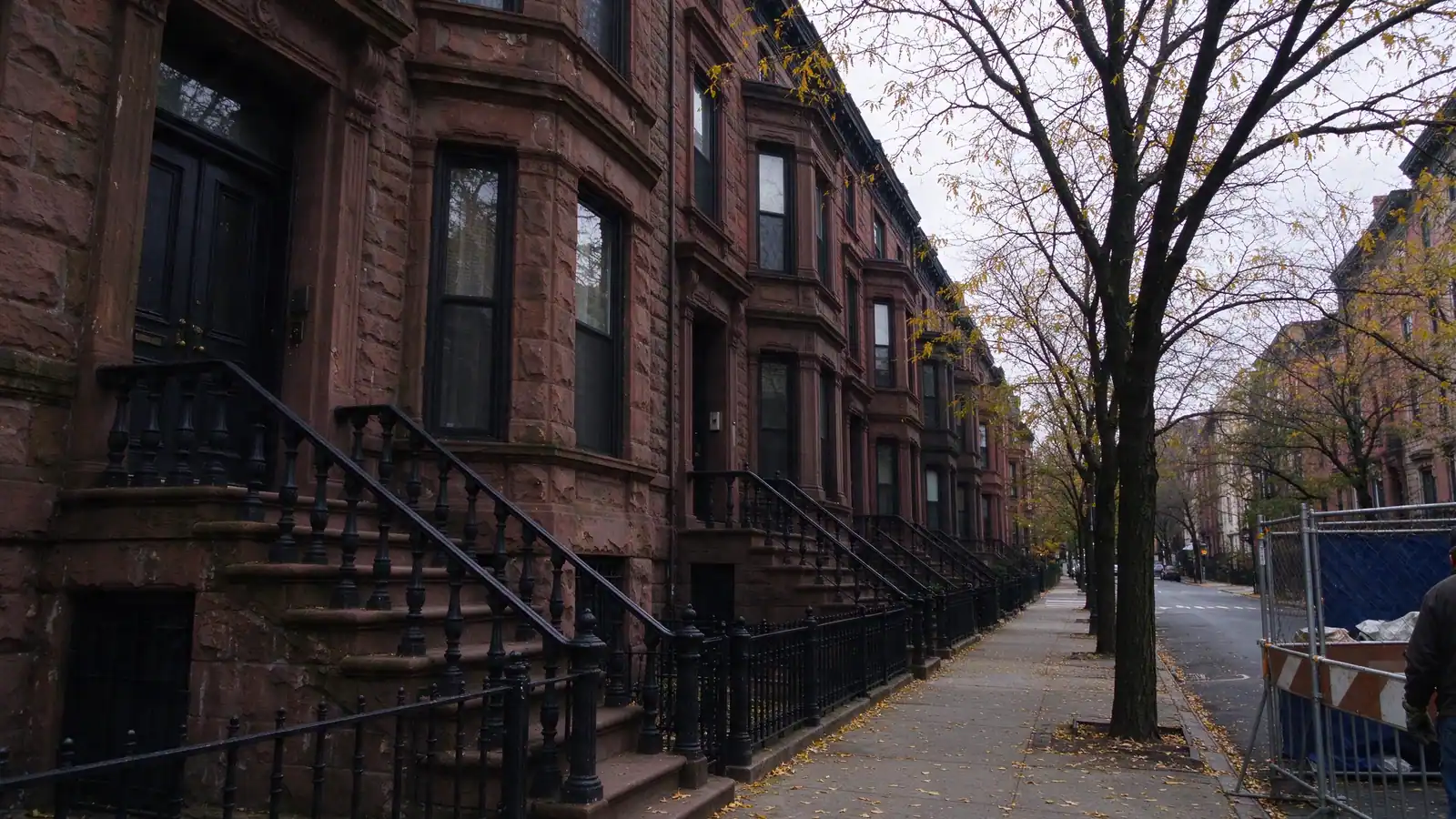
Park Slope filled in once Prospect Park was finished. Through the 1880s and 1890s the side streets between Fifth Avenue and Prospect Park West were built up with brownstone, Queen Anne and Romanesque Revival rowhouses, and Prospect Park West got its Gold Coast mansions and later prewar apartment houses such as Emery Roth's 35 Prospect Park West (1929). The Park Slope Historic District was designated in 1973 and extended in 2012 and 2016; its 2,575 buildings across about 40 blocks make it New York's largest landmark district. For plumbing, that means a DOB-permitted repipe also needs an LPC Certificate of No Effect. Interior copper doesn't touch protected features, so it's a filing, not a design review. A new vent through the cornice or a meter moved into the areaway is reviewed more closely, so the route keeps those inside.
Inside, the North, Center and South Slope houses share a layout. The service comes in under the stoop to a front cellar, the kitchen is on the parlor or garden floor, and bathrooms stack at the rear up to the top floor, about 40 feet above the meter. Original galvanized risers rust shut from the inside, so the top floor fails first: brown water in the morning and a shower that won't hold temperature. Many houses also still have lead. One 1901 Eighth Street listing says the owners "re-plumbed to remove lead pipes, even the main line under the sidewalk" (Brownstoner). A brownstone repipe runs copper through closets and stacked chases, with square cuts in the plaster and lath. Pairing it with lead service line replacement keeps the sidewalk dug up only once.