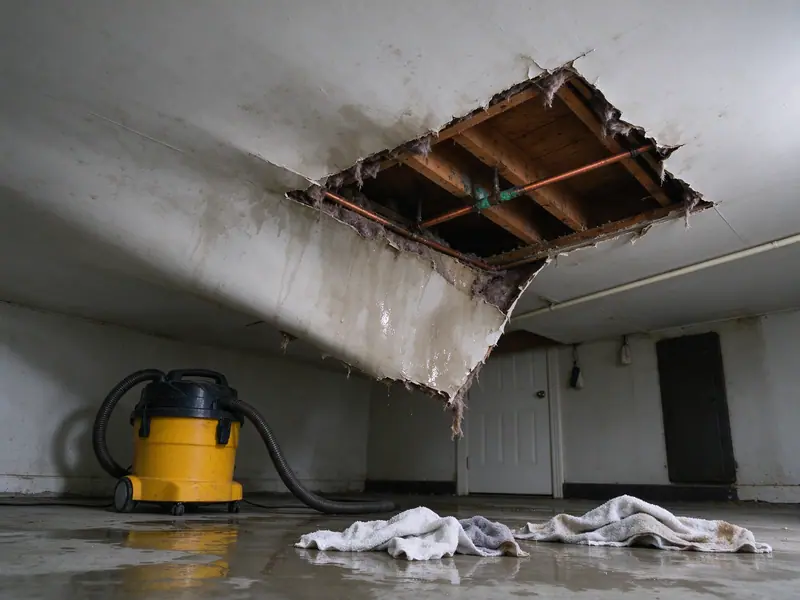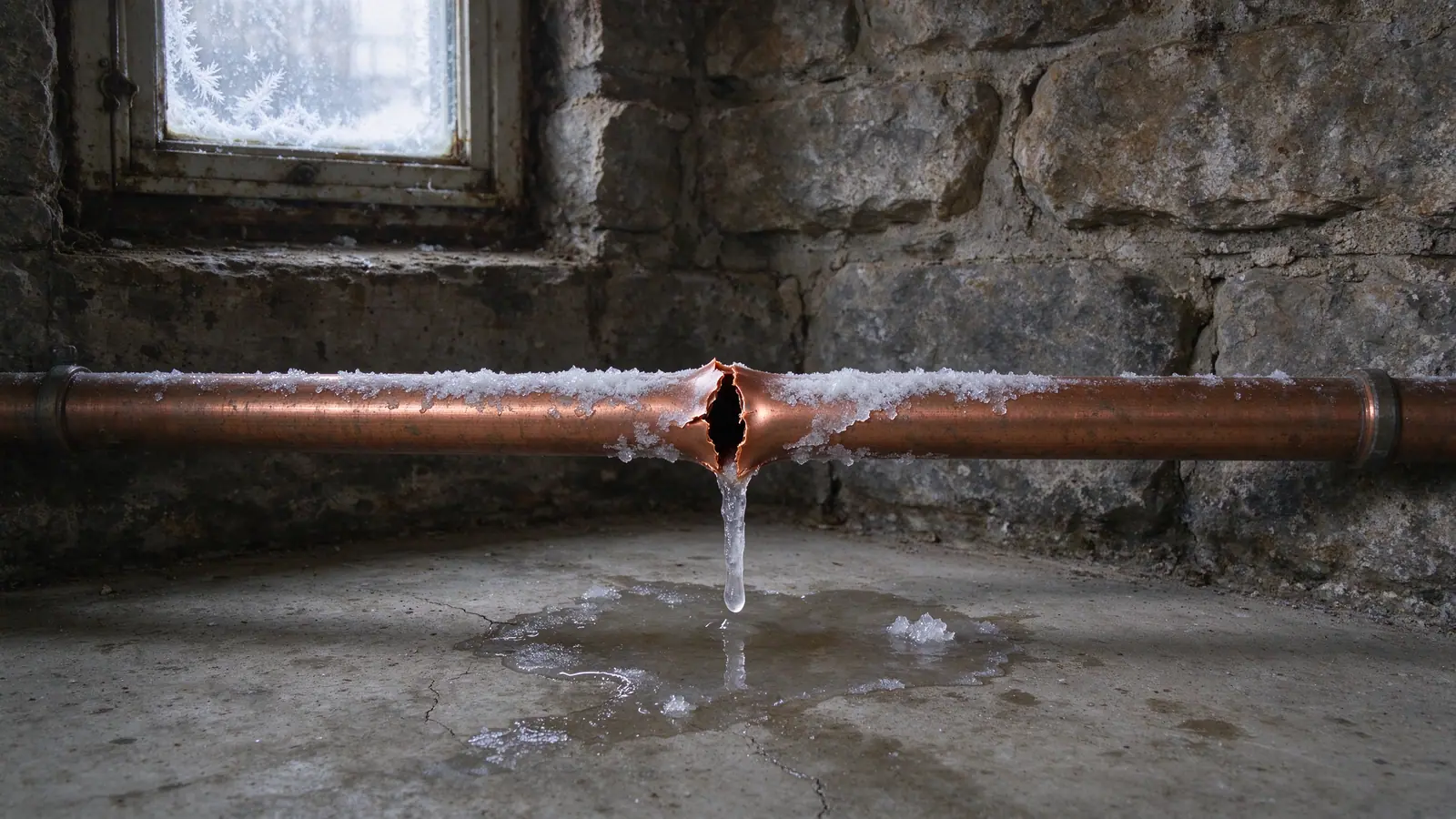
NYC Repipe & Repair handles burst pipe repair in New York City homes and apartments: a frozen line that split in a cold cellar, a galvanized joint that let go, a pipe pouring water through a ceiling. Shut the main valve first, then call. Calls are answered 24/7, with a same-day callback. The split section is cut out and replaced in Type L copper, and where the work can't wait, a NYC Licensed Master Plumber can start under DOB's Emergency Work Notification and file the paperwork afterwards.
What happens on the first visit
- On the call: help finding the main shutoff, usually by the meter where the service line enters the cellar, and the valves for the burst line.
- The burst line isolated so the rest of the home can come back on water as soon as it is safe.
- The split section and the pipe either side checked for further freeze damage or corrosion before the repair is cut in.
- A written, itemized price before the repair starts, plus photos of the failed pipe for your insurer.
Safety first: what to do before help arrives
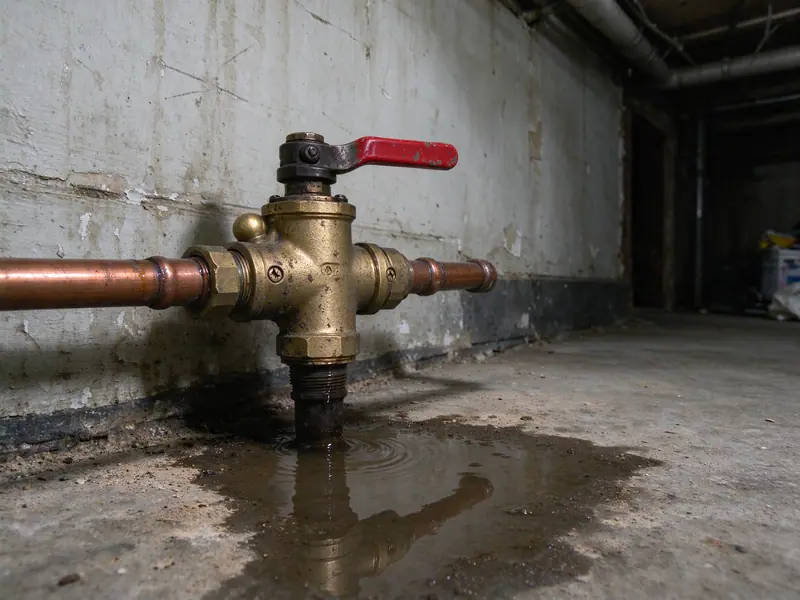
Shut off the main water valve. In most NYC houses it sits in the cellar where the service line comes through the front wall, beside the meter. Then open a low faucet to drain what’s left in the pipe. In an apartment, call the super or managing agent at once, because the valve that stops the water may be on a building riser.
Then deal with the hazards:
- Electricity. Keep out of standing water near outlets, appliances or the electrical panel. If water is reaching the panel, stay clear and get the power shut off safely.
- Gas. If you smell gas, leave the building and call 911 or Con Edison at 1-800-75-CONED from outside (Con Edison gas safety).
- Frozen pipe that hasn’t split yet. DEP’s advice is to open a faucet near the frozen point and warm the section with a hair dryer, heat lamp or small space heater, and never use an open flame (DEP: protect your pipes from freezing). A damaged water meter is reported to 311.
Photograph the damage before cleanup. The full checklist is in what to do when a pipe bursts.
Why pipes burst in NYC homes
Two things split pipe in this city: frost and age. DEP notes that most pipes and meters sit in basements, crawl spaces and other unheated areas, and that homeowners are responsible for protecting them from freezing. A frozen pipe burst usually happens on a line along an exterior wall, in an unheated vestibule, or on a hose bib nobody drained. Water expands as it freezes, and the pipe gives way at its weakest point.
The other cause is corrosion. Galvanized steel installed before 1940, the era of 74% of Brooklyn’s one- to four-family lots according to MapPLUTO, thins from the inside until a joint lets go under ordinary pressure. NYC water is soft and corrosive, with an average Langelier index of −2.21 in DEP’s annual water quality report, which speeds that up. A burst in rusted galvanized is rarely the only weak point on the run.
The repair, the permit and the price
Burst pipe repair starts by isolating the failed line so the rest of the home can come back on water. The split section is cut out back to sound metal and replaced in Type L copper (ASTM B88), soldered or joined with permanent press fittings. Removable push-fit couplings are prohibited by PC 605.9, so they work only as a temporary stop. Pipe on either side is checked for more freeze splits along the same length. If the source is a hidden drip rather than a split, water leak detection finds it first.
The paperwork never holds up the water. DOB’s Emergency Work Notification lets a NYC Licensed Master Plumber repair an emergency or hazardous condition before filing the Limited Alteration Application. Short repairs of up to 10 feet of pipe are ordinary plumbing work, with no permit filed and the job reported on form OP128.
On price, one NYC guide puts emergency burst-pipe repair at $500–$2,000 (Handyman NYC price guide). The cost depends on the pipe size, the opening needed and how many splits there are. Water damage restoration is separate. Homeowners insurance generally covers sudden, accidental water damage, but not replacing pipe that wore out. Is repiping covered by insurance? explains the distinction.
When a burst pipe means it’s time to repipe
A freeze split in sound copper is a repair. A burst in galvanized that flakes when it’s cut, or a second burst on the same system, is a sign the pipe has reached the end of its life. Look for:
- rust or thinning on the cut-out section well beyond the split;
- brown water when the main is turned back on;
- earlier leaks on the same floor or riser.
If any of those show up, plan the replacement before the next one fails, ideally while the opened ceiling is still open. Pipe replacement covers one floor or riser. Galvanized pipe replacement removes the steel, and should I replace galvanized pipes? helps with that decision. Whole house repiping covers the full system. For a leak that’s dripping rather than bursting, see plumber for water leaks.
What's included
- Burst section isolated at the nearest valve
- Split pipe replaced in Type L copper (ASTM B88)
- Soldered or permanent press joints
- Check of nearby pipe for further freeze splits
- Emergency Work Notification filed where required
- Pressure check before the water is restored
- Photos and a written cause note for your insurer
- Advice on insulating or rerouting exposed pipe
Water coming through the ceiling right now? Shut the main, then call: calls are answered 24/7. (929) 659-6658